


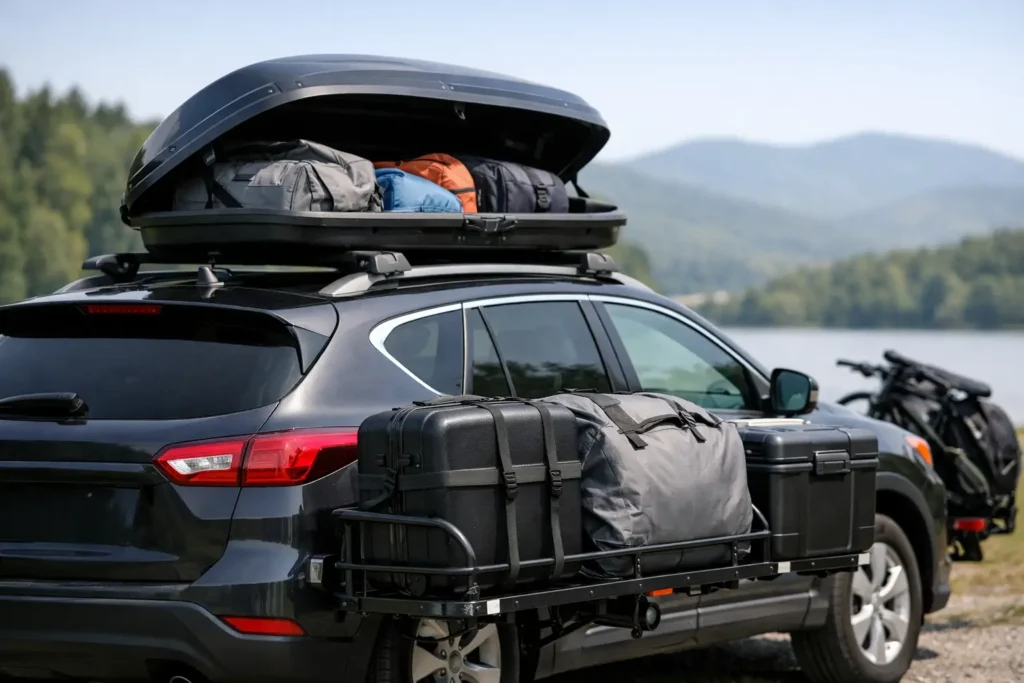
You notice it the night before a trip. The trunk is full, the back seat is disappearing under duffel bags, and someone is already asking where the stroller, cooler, or dog crate is supposed to go. If you are wondering how to add luggage space without turning your car into a stressful game of packing Tetris, the good news is that you have more than one workable option.
The right answer depends on what you are carrying, how often you travel, and how much hassle you are willing to deal with before and after the trip. For some drivers, smarter packing is enough. For many families, couples, and road trippers, it quickly becomes clear that the car itself needs extra capacity.
How to add luggage space without making travel harder
The biggest mistake people make is choosing the cheapest-looking fix instead of the most practical one. Extra space should make the trip easier, not add worry about safety, weather, theft, or damage to the vehicle.
Start with the basics. If your cargo area is cluttered with items that do not need to come along, clear them out first. Emergency gear is one thing. Sports equipment from last month, reusable bags, and everyday odds and ends are another. It is surprising how much room you can reclaim before you buy or rent anything.
After that, look at what is taking up the most space. Soft bags are easier to stack than hard suitcases. Vacuum bags can help with bulky clothing or bedding. Packing cubes keep things organized, but they do not create more room on their own. If you are already packing efficiently and still coming up short, you need a true storage solution, not another packing trick.
The most effective ways to add luggage space
For most cars, there are three realistic ways to create more room. You can reorganize what is already inside the vehicle, use a rear cargo solution, or move luggage to the roof.
Reorganizing works best when the problem is inefficiency rather than lack of capacity. This is fine for a weekend away with two people. It is much less effective for a family vacation, a camping trip, or any journey that includes child seats, pet gear, or outdoor equipment.
Rear-mounted cargo carriers can work, but they are not the first choice for every driver. They depend on your vehicle setup, can affect access to the trunk, and may be less convenient if you need to stop and grab things during the trip. They also introduce questions around weight limits, visibility, and compatibility.
A roof box is often the cleanest answer when you need a serious amount of extra space. It gets bulky luggage out of the cabin, helps keep passengers comfortable, and protects belongings from weather. For longer drives, that matters. A quieter, less crowded car usually means a better trip from the start.
Why a roof box is often the best answer
If you are looking at how to add luggage space for vacations or road trips, roof boxes tend to solve the real problem instead of just shifting it around. They create usable storage without forcing passengers to travel with bags at their feet or stacked to the ceiling behind them.
That extra comfort matters more than people expect. A packed cabin can make a short drive feel cramped. On a long run, it becomes tiring. Parents also know the value of keeping essentials inside the car while moving larger cases, coats, and non-urgent items out of the passenger area.
Roof boxes also protect luggage better than improvised solutions. A proper box keeps contents enclosed and more secure from weather and road grime. Compared with loosely packed roof bags or overstuffing the trunk, it is a more dependable setup.
There are trade-offs, of course. A roof box adds height to the vehicle, so you need to remember it when approaching low parking garages or barriers. Fuel economy can be affected as well, especially at highway speeds. But for temporary trip use, many drivers find that a roof box is still the easiest and most sensible option.
Rent or buy? It depends on how often you travel
This is where many customers save themselves money. If you only need extra luggage space a few times a year, buying a roof box and bars may not make much sense. You are paying upfront for equipment that then needs to be stored, maintained, and fitted correctly every time you use it.
That is why rental is often the more practical route. You get the extra capacity for the period you actually need it, without paying for year-round ownership. Just as important, you avoid finding somewhere to keep a large roof box when the trip is over.
For occasional travelers, rental usually wins on convenience and cost. For people who travel very frequently and have suitable storage at home, buying can make sense over time. Even then, proper fitting remains essential.
This is one reason a service like West Midlands Roof Box Hire appeals to families and drivers who want a straightforward answer. You get trip-based use, professional fitting, and clear pricing without the long-term burden of owning bulky equipment.
Choosing the right setup for your trip
Not every extra storage solution suits every car or every journey. A couple heading off for a weekend break will have different needs from a family of five going on a two-week summer vacation.
Think first about volume, not just weight. Large but lighter items such as clothing, bedding, and soft bags are often ideal for roof storage. Heavier items may be better kept lower in the vehicle, depending on the vehicle limits and the setup being used. The balance of the load matters.
Then think about access. If you will need certain items during the drive, keep those inside the car. It makes little sense to put snacks, medications, kids’ travel essentials, or pet supplies somewhere that requires stopping and unloading.
Vehicle compatibility matters too. Some cars need roof bars added before a roof box can be installed. Others have specific load limits that must be respected. This is exactly where first-time users benefit from professional advice, because guessing is not worth the risk.
Safety matters more than squeezing in one more bag
When people search for how to add luggage space, they are usually focused on capacity. That is understandable, but safe loading should come first. Overloading a car, blocking rear visibility, or fitting equipment incorrectly creates problems that can spoil the trip fast.
Loose items inside the cabin are a bigger issue than many drivers realize. In sudden braking, they can shift forward. That is another reason getting luggage out of the passenger area can be a smart move, not just a convenient one.
Any roof-mounted system needs to be fitted properly and loaded within the recommended limits for both the vehicle and the equipment. Weight should be distributed sensibly, and everything should be secured before you set off. If you are not confident doing that yourself, professional fitting is the safer option every time.
This is especially relevant for first-time roof box users. The equipment is not difficult when handled correctly, but there is a difference between possible and advisable. A scheduled fitting appointment with experienced help removes a lot of uncertainty.
A practical way to make trips feel easier
Adding luggage space is not really about carrying more stuff for the sake of it. It is about making travel less cramped, less chaotic, and more comfortable for everyone in the car. That could mean room for vacation bags, a safer place for bulky gear, or simply not having to argue over what gets left behind.
If you travel once in a while and need a simple fix, start by packing smarter and clearing out your cargo area. If that still leaves you short on space, a roof box is often the most reliable next step. And if you do not want the cost, storage issues, or fitting worries that come with ownership, renting can be the most sensible answer.
A good trip usually starts before the engine turns over. When the car is packed properly and everyone has room to breathe, the drive feels easier from mile one.