
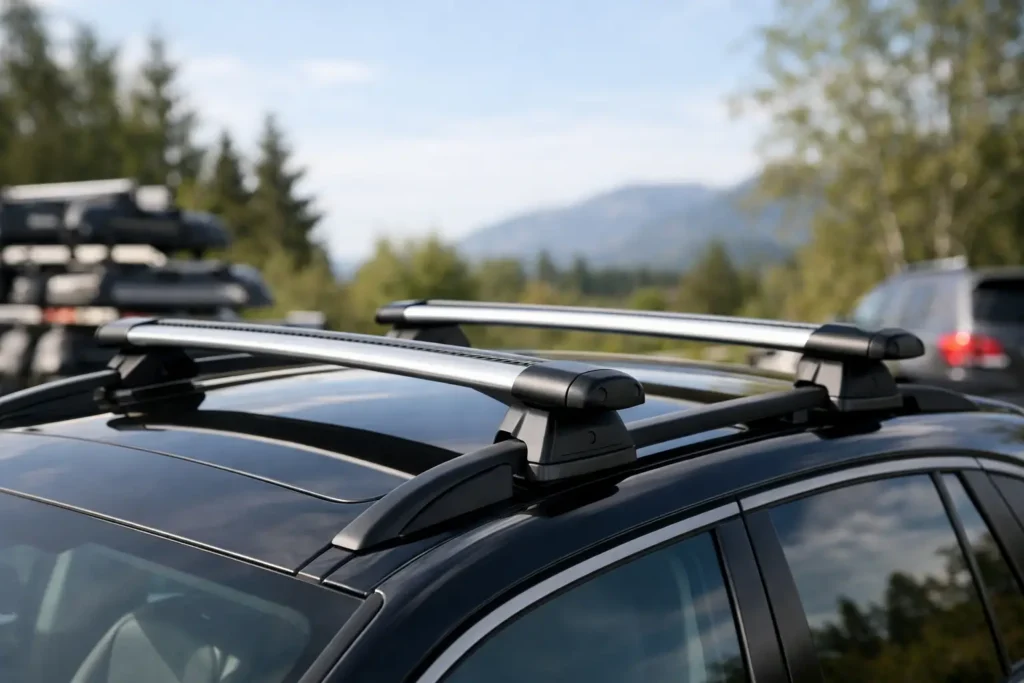
You usually find out roof bars are not universal at the worst possible moment – when the bags are packed, the kids are ready, and the trip is only a day away. A good roof bar compatibility guide helps you avoid that last-minute scramble by answering the one question that matters most: will these bars actually fit your car safely?
That question sounds simple, but the answer depends on your exact vehicle, your roof type, and what you plan to carry. The good news is that compatibility is very easy to sort out once you know what to check. If you are planning a holiday, camping trip, or long drive and need extra space, this is the practical way to get it right the first time.
Why roof bar compatibility matters
Roof bars are the foundation of any roof storage setup. If they are the wrong fit, it is not just inconvenient. It can affect safety, damage your vehicle, and stop your roof box or bike carrier from mounting correctly.
Many drivers assume a bar set that worked on a previous car will work on the next one. Sometimes it does not. Even two models from the same manufacturer can use different fixing points, different bar lengths, or different mounting systems depending on the year and trim.
That is why compatibility always starts with the vehicle itself, not the accessory you want to carry. The roof box comes later. First, the bars have to match the car.
Roof bar compatibility guide: start with your roof type
The biggest factor in roof bar fit is the shape and design of your roof. Cars are built with different mounting options, and the correct bar system depends on those details.
Raised roof rails
These are the easiest to spot. They run front to back and sit slightly above the roof, leaving a gap underneath. Many SUVs and wagons have them. Roof bars for raised rails usually clamp around the rails, so fitting is often more straightforward.
Even here, though, not every set is interchangeable. Rail thickness and shape can vary, and some bars are designed for specific size ranges.
Flush roof rails
Flush rails also run front to back, but they sit tight against the roof with no gap underneath. They look neat, but they need a different fitting method from raised rails. This is where people often get caught out, because the rails are visible and seem similar, but the mounting hardware is completely different.
Fixed points
Some vehicles have built-in mounting points hidden under small covers or trim sections. These are designed by the manufacturer for roof bar attachment. If your car has fixed points, the bars need a kit made to line up with those exact positions.
This can be a very secure setup, but it is also one where vehicle-specific fitting matters most.
Bare roof
A bare roof has no rails and no obvious roof attachments. These systems usually use clamps that secure into the door frame area. They can work very well when fitted correctly, but they are not universal. The shape of the door frame, roof curve, and bodywork all affect which kit is suitable.
Vehicle details that affect fit
Once you know your roof type, the next step is confirming the exact vehicle details. Make, model, and year are the basics, but they are not always enough on their own.
Body style matters too. A hatchback, wagon, and SUV version of the same model name may use different systems. Trim level can also play a part, especially if one version has flush rails and another has a bare roof. Panoramic roofs can change the approved load limits or restrict what can be fitted.
This is why accurate vehicle information saves time. If you are checking compatibility, be precise. A rough description like “Ford Focus” or “BMW X3” is a starting point, not a final answer.
The roof bars and the roof box both need to match
One of the most common misunderstandings is thinking that if the bars fit the car, everything else will automatically fit the bars. Not always.
The crossbar shape matters. Some roof boxes attach easily to square bars. Others are designed around aero bars or specific width ranges. Clamp clearance matters too, especially if the bars sit close to the roof. A roof box may technically be compatible with the bar width but awkward to mount because there is not enough room underneath for the fixing hardware.
This is one reason professional fitting is so helpful for first-time users. On paper, parts may look compatible. In real use, details like hatch clearance, bar spread, and box position make a difference.
Weight limits are part of compatibility too
A proper roof bar compatibility guide should include load limits, because fit is only half the story. Your vehicle has a maximum roof load, and that figure includes the weight of the bars, the weight of the roof box, and the weight of your luggage.
For example, if the car roof limit is 165 pounds, and the bars and box together weigh 40 pounds, you do not have the full 165 pounds left for bags. You only have 125 pounds remaining. That surprises a lot of people.
It also depends on what you are carrying. Soft luggage for a family vacation is very different from heavier gear. The setup needs to be physically compatible and within the approved weight limits at the same time.
Factory bars versus aftermarket bars
Some vehicles come with manufacturer-branded bars or have bars available from the dealer. Others use aftermarket systems from specialist brands. Neither option is automatically better in every situation.
Factory bars can offer a clean fit and predictable compatibility. Aftermarket bars often give more flexibility and may suit a wider range of accessories. The right choice usually comes down to your vehicle, what you need to carry, and whether this is a one-off trip or something you expect to use regularly.
If you are renting for a vacation rather than buying for years of ownership, practicality matters more than brand loyalty. The aim is a safe, proven fit without wasting money on equipment you only need for a short time.
Roof bar compatibility guide for first-time renters
If this is your first time using roof bars, keep the process simple. Start with your exact car details, then confirm the roof type, then match that to the correct fitting kit and bar system. After that, check that your chosen roof box or carrier works with those bars and stays within the vehicle roof load limit.
That sounds like a lot, but it is much easier when handled in the right order. Problems usually happen when people shop backward – picking a roof box first, assuming bars are all the same, or guessing based on a friend’s vehicle.
For short-term travel, renting often removes the hardest part of the process. Instead of trying to decode part numbers and compare every possible fitting kit, you get a setup based on your actual car and trip needs.
Common mistakes that cause compatibility problems
A few issues come up again and again. The first is assuming that rails are rails. Raised and flush rails are not the same, and the bar system for one will not suit the other.
The second is forgetting model year changes. A redesign can completely alter the roof setup, even if the car name stayed the same. The third is ignoring weight limits and focusing only on physical fit.
Another common mistake is reusing old bars without checking whether the foot pack or fitting kit matches the current car. In some cases, the bars themselves are reusable but the mounting kit is not. That detail can save money, but only if it is checked properly.
When expert help makes the most sense
There is a point where DIY research stops being efficient. If you are comparing rail types, unsure about your roof load, or trying to fit bars and a box before a family trip, getting experienced help is often the quickest route.
That is especially true if convenience matters as much as cost. A properly matched and professionally fitted setup saves time, avoids trial and error, and gives you more confidence once you are on the road. For many drivers, that peace of mind is worth far more than spending hours trying to work it out alone.
At West Midlands Roof Box Hire, that is exactly why professional fitting is part of the service. It keeps the process simple for busy families and travelers who just want the right setup, fitted safely, without the usual hassle.
What to have ready before you book
Before you arrange roof bars, have your vehicle make, model, year, and body style ready. Check whether your car has raised rails, flush rails, fixed points, or a bare roof. If you know you have a panoramic roof, mention that too.
It also helps to know what you are planning to carry. A compact roof box for extra vacation luggage may suit your car differently from a larger box for a longer trip. The more accurate the information, the easier it is to match the right equipment.
Getting roof bars right is not about memorizing product codes. It is about making sure your car, your roof type, and your travel plans all line up so you can head off with more space and a lot less stress.